

Brand Story
ブランドストーリー
STORY01
最高級の日本酒を酒米から造る
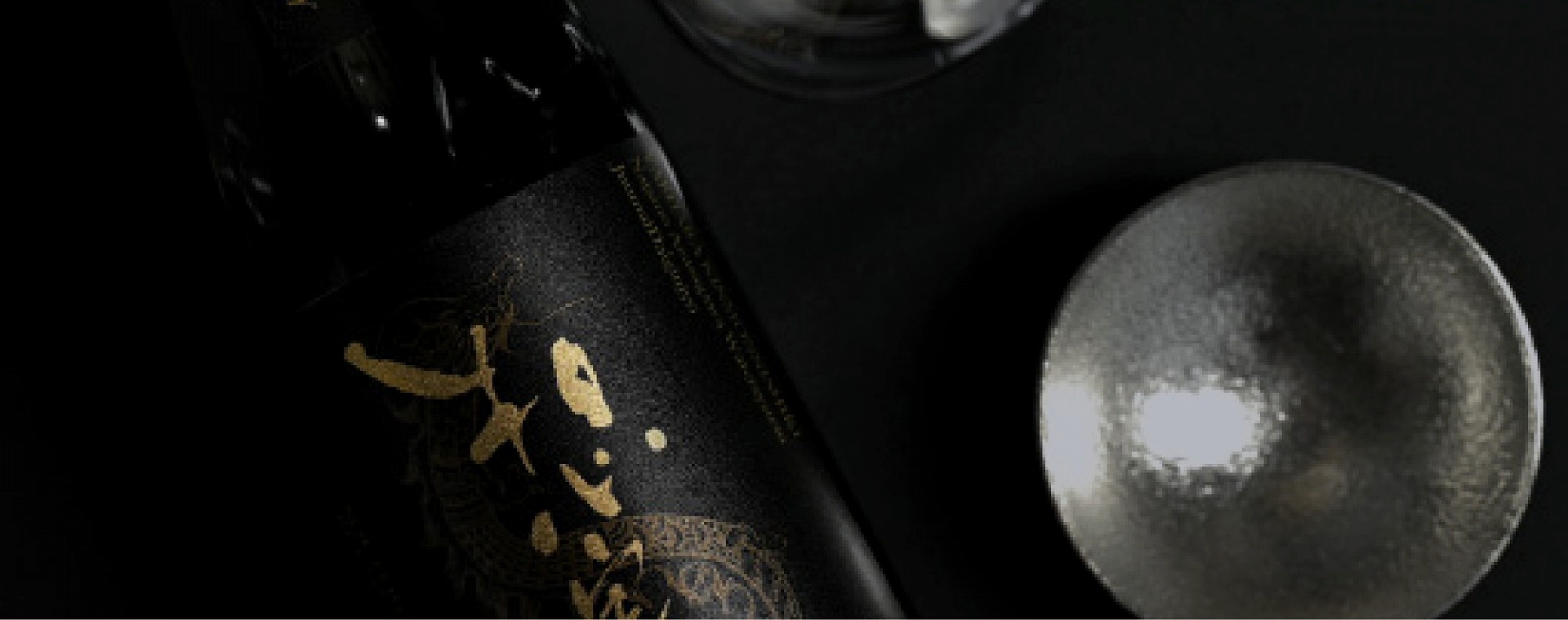
「酒米から、日本酒業界全体の価値を上げていく」純米大吟醸「想定内」「想定外」は、そんな構想から始まりました。着目したのは「金紋錦」という酒米。気候と風土に恵まれ、日本でも屈指の農産地である信州で育つ、希少な酒造好適米のひとつです。上質な酸味と複雑味が特徴で、品評会でも高く評価されています。
プロジェクトチームは、金紋錦を知り尽くした造り手を求め、信州の酒蔵に行き着きました。栽培農家は、標高約700mの八重原で米造りを行う「太陽と大地」。風、水、土、光、そして夜にはしっかりと温度が下がる気候。八重原には、酒米造りに必要な環境がそろっていました。
Making the finest sake from sake rice. The concept behind “Soteinai” and “Soteigai” began with the desire to raise the value of Japanese sake from the cultivation of the rice itself. Kinmon Nishiki, a rare sake rice grown in the rich natural environment of Shinshu, was selected for its refined acidity and layered complexity. Together with experienced farmers and brewers, the project began with the pursuit of quality from the soil upward.
STORY02
信州の米と水と人の手から生まれた奇跡
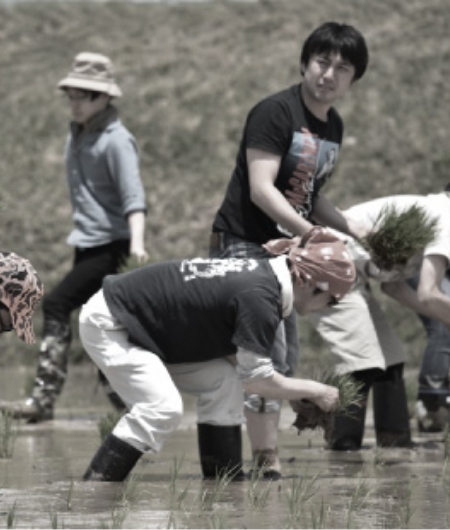
あたりまえの方法では、これまでになかった高級酒は造れない。まず、稲作には農薬や化学肥料をできる限り使わず、一株一株がしっかりと光を浴び、風が株間を吹き抜けるように、稲の間隔を通常より広く取り、人の手で植えていきます。
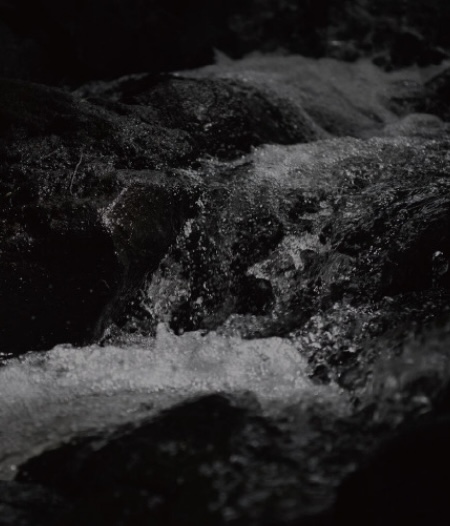
仕込み水には、北アルプスの山々に積もった雪が長い年月をかけて濾過され、梓川へ流れ込んだ水を使用。その水質が、やわらかな口当たりときめ細かな舌触りを生み出します。
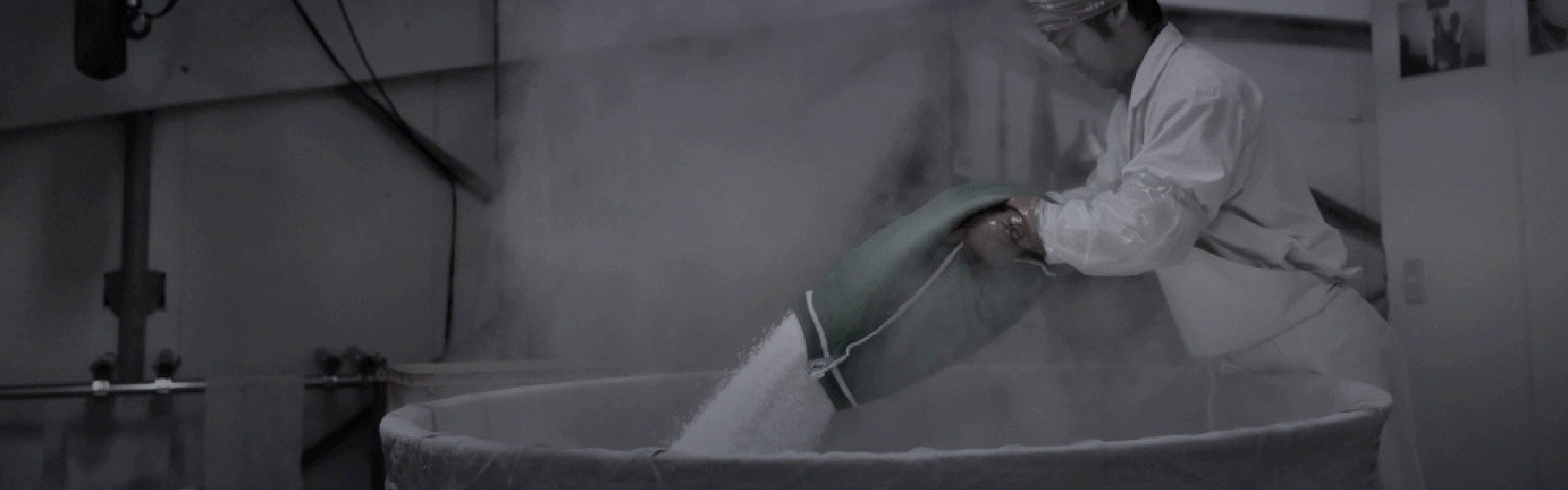
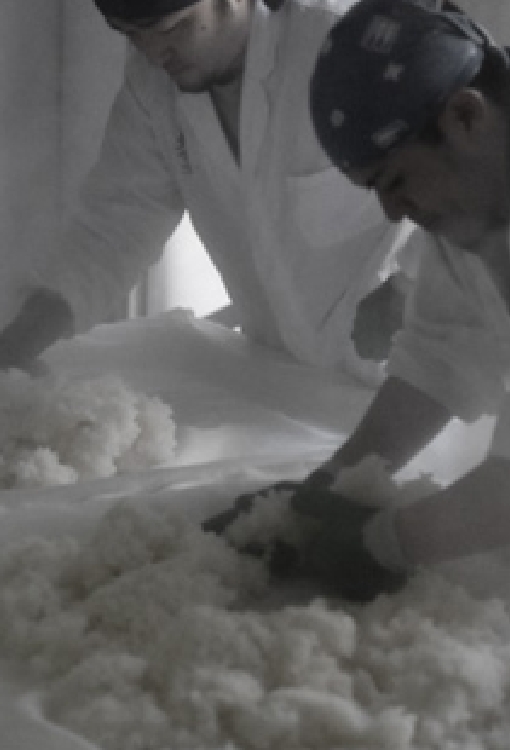
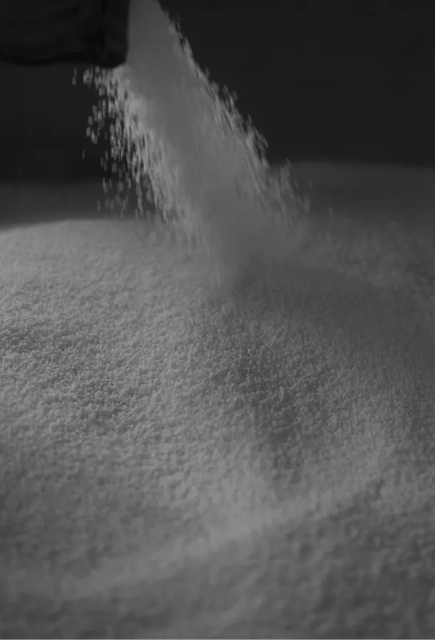
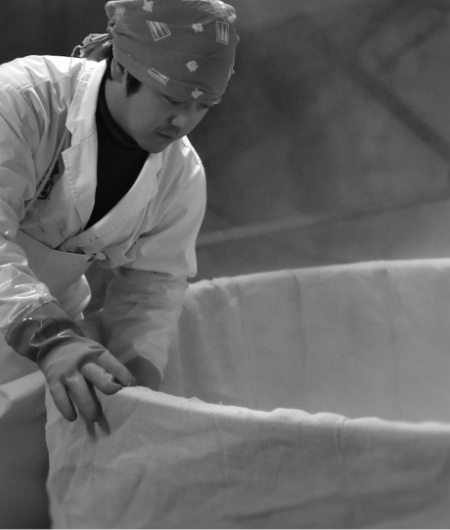
麹米は38%、掛米は40%まで磨き、ゆっくりと発酵させたもろみを、蔵人総出の「袋搾り」で上槽します。手間と時間を惜しまず、米の旨みや芳醇な香りを丁寧に引き出すことで、唯一無二の味わいが完成します。
A miracle born from rice, water and human hands in Shinshu. The rice is carefully cultivated with space for sunlight and wind to pass through each plant. The brewing water comes from the Azusa River system, naturally filtered through the mountains over many years. Every stage of brewing is carried out with exceptional care, including slow fermentation and traditional bag pressing, preserving the natural aroma, depth and character of the sake.
STORY03
熟成酒には無限の可能性がある
日本酒のおいしさを、極限まで追求したい。その想いから生まれた、もうひとつの挑戦が熟成酒です。ワインやウイスキーのように、日本酒も熟成させることで、香りや味わいがゆっくりと変化していきます。
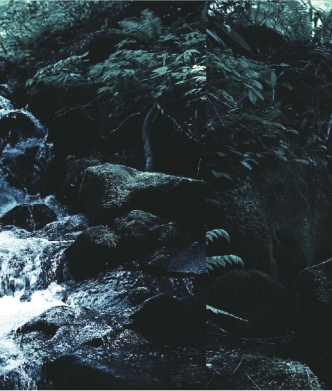
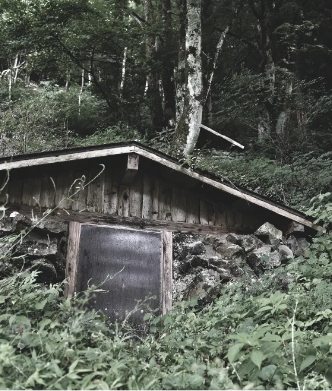
「想定内」「想定外」は、2017年のファーストヴィンテージから熟成を見越して貯蔵しています。酒の理想的な貯蔵温度とされる-5℃にこだわり、その一部は「風穴」と呼ばれる天然の貯蔵庫で保管。岩肌から生まれる冷気と自然に循環する空気が、酒の味わいを穏やかに深めていきます。
最高の環境、素材、造り手に、時間の力が加わることで、日本酒の新たな可能性が育まれていきます。
Aged sake has unlimited possibilities. From the first vintage in 2017, “Soteinai” and “Soteigai” have been stored with future aging in mind. The bottles are kept at approximately minus five degrees Celsius, with a portion resting in a natural stone refrigerator known as a wind cave. Surrounded by cool circulating air, the sake gradually develops greater depth, softness and complexity over time.
Umeshu Story
造り手の反対を押し切って誕生した最高峰の梅酒
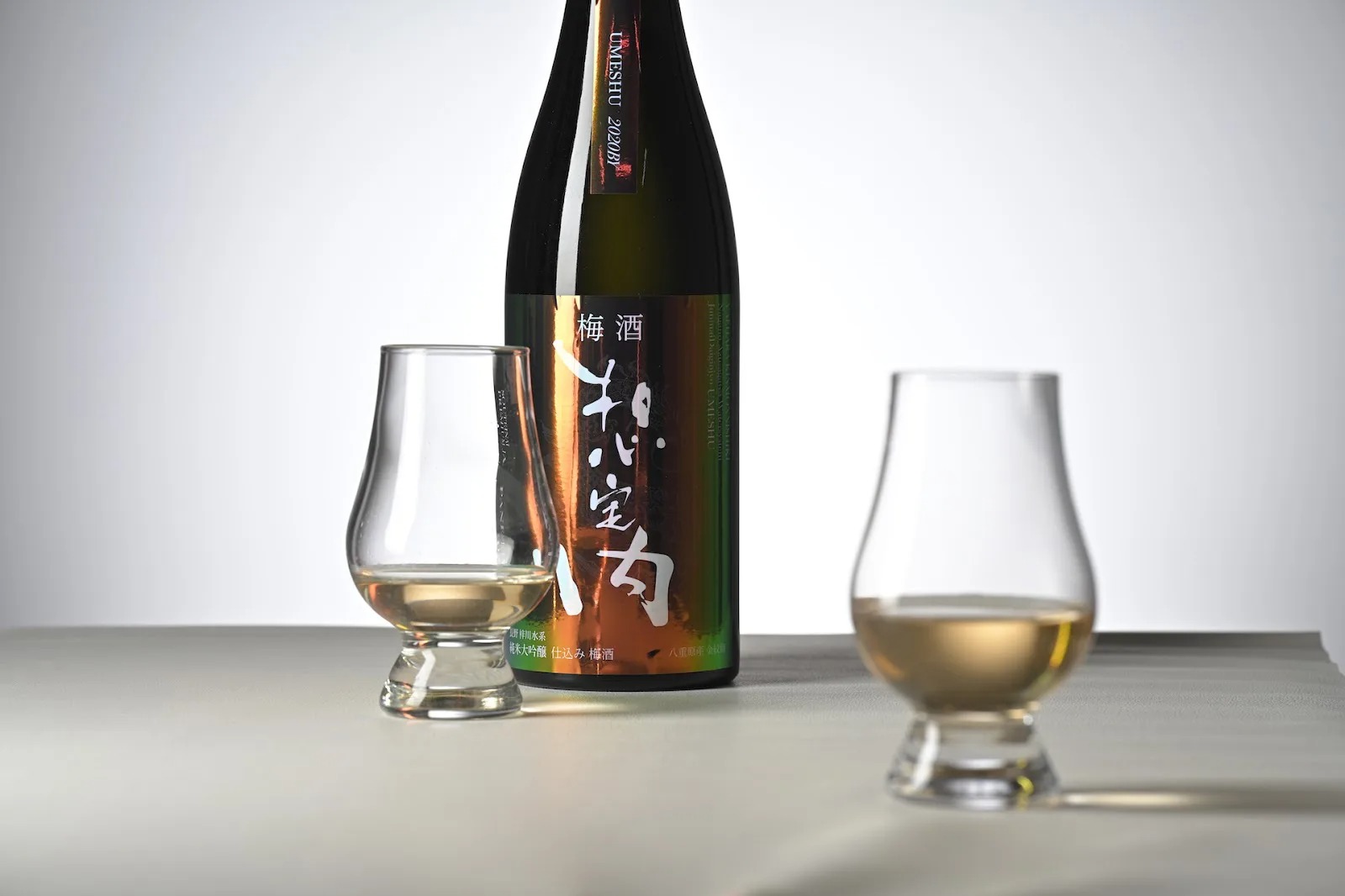
酒米からこだわり、技術の粋を極めて造られた純米大吟醸「想定内」「想定外」。我々プロジェクトチームが送り出す最高品質の日本酒と同じ醪(もろみ)で搾った原酒で漬け込んだ「想定内 梅酒」もまた、製法や原料に極限までこだわった逸品です。
蜜のようにとろりと凝縮された甘味、芳醇な梅の酸味のバランスの絶妙さによりスタンダードな梅酒とは一線を画す味わいを生み出し、好評を博しています。
最高の梅酒づくりを目指し、妥協を許さない試行錯誤を経て生まれた「想定内 梅酒」のストーリーをお伝えします。
“So-tei-nai” (Expected) and “So-tei-gai” (Unexpected) are Junmai Daiginjo sakes crafted with meticulous attention to detail, starting with the rice, and representing the pinnacle of brewing technique. “Expected Umeshu,” infused with unblended sake pressed from the same “moromi” (fermented mash) used to produce the highest-quality sake crafted by our project team, is also a masterpiece created with the utmost dedication to both production methods and ingredients.
Its exquisite balance of honey-like, rich sweetness and the mellow acidity of plums sets it apart from standard plum wine, earning it widespread acclaim.
We’d like to share the story behind “Expected Umeshu,” born from uncompromising trial and error in our pursuit of the ultimate plum wine.
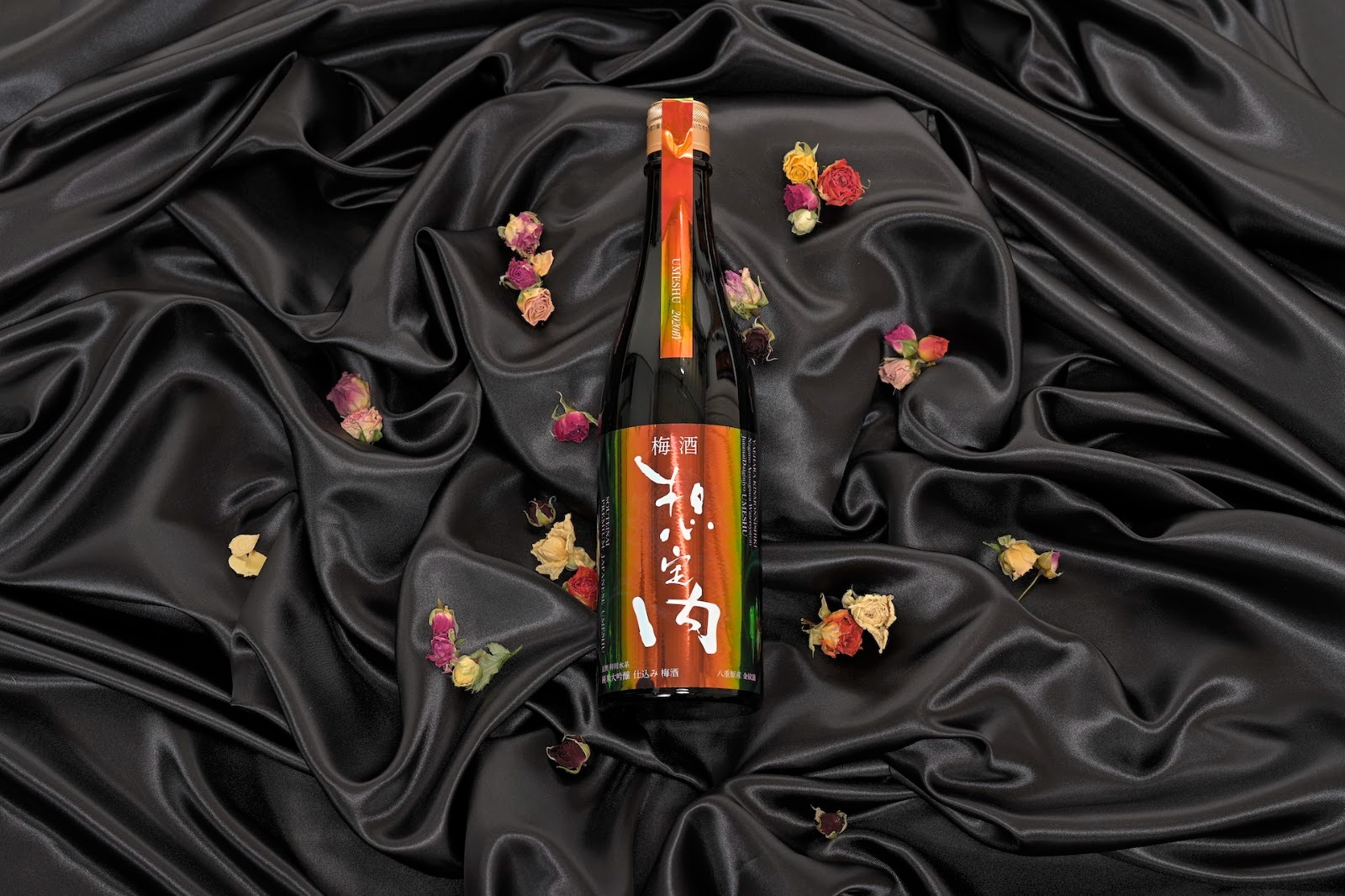
「想定内 梅酒」2020
01
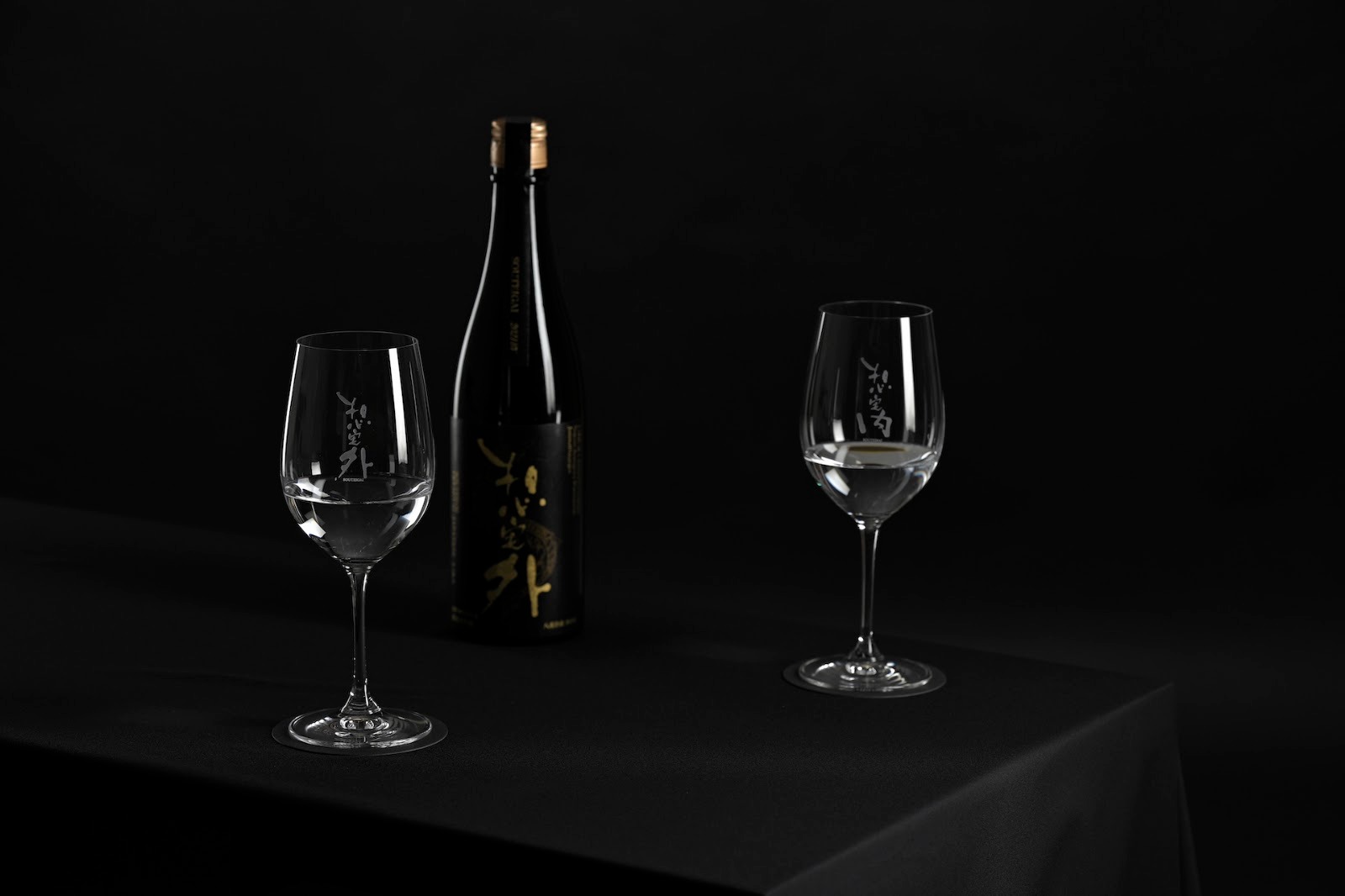
品評会クラスの最高級酒 純米大吟醸「想定内」「想定外」
酒蔵の反対を受けた「想定内 梅酒」
『「想定内」「想定外」で、梅酒を仕込んでみたい。』このアイデアを製造元の大信州酒造に相談したところ、当初は大反対を受けました。
「想定内 梅酒」は、「想定内」「想定外」と同じ醪でできた日本酒で仕込んでいます。人間の手で行う精巧さを極めた”袋搾り”ではないため、選りすぐりである純米大吟醸「想定内」「想定外」という銘柄は名乗れないものの、その品質に準じた素晴らしい風味を持つ高級日本酒の原酒です。
2017年、初めてこの梅酒を造ることを発案・相談した際、蔵元である大信州酒造の田中隆一社長の第一声は「そのような原酒を梅酒にするのはもったいない。この状態で十分に美味しいお酒なのだから、そのまま飲む方が良い」というものでした。
“Expected” Plum Wine, Which Faced Opposition from the Brewery
“I’d like to try brewing plum wine using the ‘Expected and ‘Unexpected’ brands.” When I discussed this idea with the manufacturer, Daishinshu Brewery, they were strongly opposed at first.
“Expected Umeshu” is brewed using the same mash as the “Expected” and “Unexpected” sake. Since it is not produced using the highly intricate, handcrafted “bag-pressing” method, it cannot bear the names of the select Junmai Daiginjo brands “Expected” and “Unexpected”; however, it is a premium unblended sake with a wonderful flavor that matches their quality.
In 2017, when we first proposed and discussed the idea of making this plum wine, the first words from Ryuichi Tanaka, President of Daishinshu Brewery, were: “It’s a waste to turn such unblended sake into plum wine. It’s already delicious enough as is, so it’s better to drink it just as it is.”
その他にも反対を受けた理由のひとつには、アルコール度数の低さもありました。
通常の梅酒は、蒸留酒などアルコール度数の高いお酒で造りますが、「想定内」「想定外」の度数は、日本酒としての風味のバランスにこだわった約16度。梅酒として仕込むとさらに度数が下がり、雑菌が繁殖する恐れがあるのです。
近年、梅酒人気の高まりから、日本酒仕込みの梅酒も一般に目にするようになりましたが、鑑評会レベルの日本酒で仕込まれたものとなると、非常に希少です。前述のような懸念や困難に加え、優れた品質の日本酒で仕込むのにふさわしい梅酒を目指すには、良質な素材と卓越した職人の技術と経験が求められるからです。
リスクを理解した上でなお、「想定内」「想定外」シリーズで仕込む梅酒に可能性を感じた我々は、新たな試みとしてチャレンジしたいと蔵元を説得。「最高級の日本酒から仕込む特別な梅酒」をコンセプトとして、プロジェクトが始まりました。
Another reason for the opposition was the low alcohol content.
While standard umeshu(plum wine) is typically made with high-proof spirits such as distilled liquor, the alcohol content of “Expected” and “Unexpected”—which prioritize the flavor balance of sake—is approximately 16%. If brewed as umeshu, the alcohol content would drop even further, raising the risk of bacterial growth.
In recent years, as the popularity of umeshu has grown, sake-based umeshu has become more common, but varieties brewed with sake of competition-level quality remain extremely rare. This is because, in addition to the concerns and challenges mentioned earlier, creating an umeshu worthy of being brewed with high-quality sake requires premium ingredients, as well as the exceptional skill and experience of master brewers.
Even after fully understanding these risks, we sensed great potential in the plum wines brewed as part of the “Expected” and “Unexpected” series, so we persuaded the brewery to take on this new challenge. With the concept of “special plum wine brewed from the finest sake,” the project began.
02
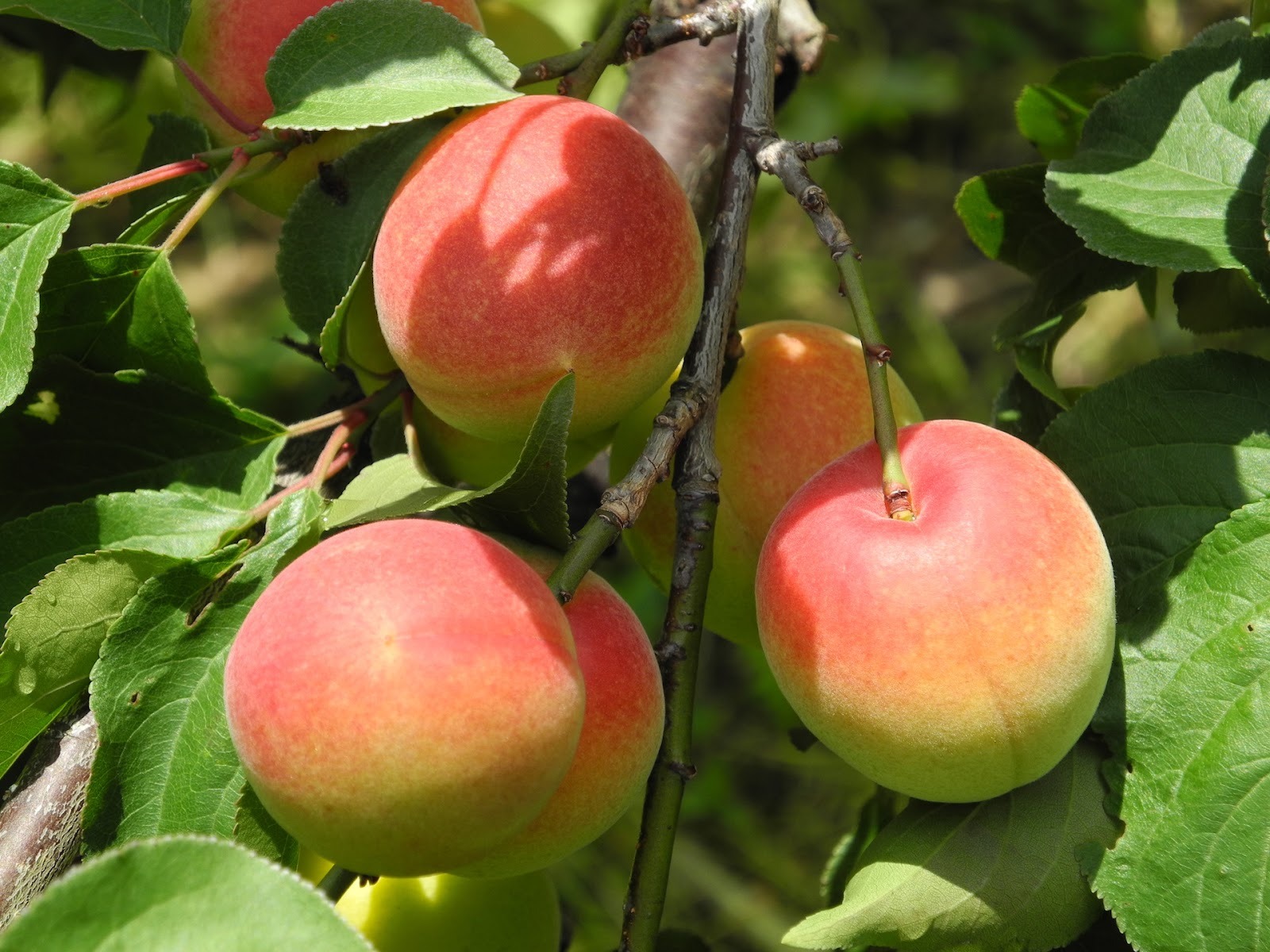
写真提供:大信州酒造株式会社
最高の状態の完熟梅を手摘みで収穫
極上の梅酒をめざして造る「想定内 梅酒」。原材料にも妥協を許しません。梅の実は、長野の隣県で東日本最大の産地、群馬県榛名の契約農家が育てた南高梅を選定。
通常は、梅が完熟することで自然に樹から落ちたものを収穫しますが、落下時に傷がつく恐れがあるため、落ちる直前の完熟梅を厳選し、手作業で手摘みされたものを使用します。粒のそろった傷みのない梅は、透明感のある爽やかな酸味を梅酒にもたらし、別格の美味しさをうみだすために必要な要素のひとつです。
手摘みした梅は、毎時毎分熟成が進んでしまうため、完熟し過ぎないうちに早急に原料処理を行う必要があります。熟し過ぎた梅を使ってしまうと仕込みタンクのお酒の中で形が崩れ、種から渋味成分のタンニンが抽出されてしまう恐れがあるためです。
程よく固い状態で早朝に収穫し、その日のうちに蔵へ。梅が届き次第、手間暇をかけた原材料処理をスピーディに行います。原材料の品質と処理のスピードは梅酒の味わいを左右する重要なポイント。近隣の契約農家との密な連携があればこそ、素材の魅力を最大限に引き出せるのです。
Hand-picked at the peak of ripeness
“Expected Umeshu” is crafted with the goal of producing the finest umeshu. We make no compromises when it comes to ingredients. We select Nanko plums grown by contract farmers in Haruna, Gunma Prefecture—the largest plum-producing region in Eastern Japan and a neighboring prefecture to Nagano.
Typically, plums are harvested after they have fully ripened and fallen naturally from the tree; however, to prevent damage during the fall, we carefully select plums that are fully ripe but just about to fall, and hand-pick them one by one. These plums, uniform in size and free of blemishes, impart a crisp, refreshing acidity to the plum wine—a key element in creating its exceptional flavor.
Since hand-picked plums continue to ripen with every passing minute and hour, they must be processed promptly before they become overripe. This is because using overripe plums risks them disintegrating in the brewing tank, which could lead to the extraction of tannins—the compounds responsible for astringency—from the pits.
We harvest the plums early in the morning while they are still firm to the touch and transport them to the distillery the same day. As soon as the plums arrive, we swiftly carry out the labor-intensive processing. The quality of the raw materials and the speed of processing are crucial factors that determine the flavor of the plum wine. It is only through close collaboration with our contracted farmers in the surrounding area that we can bring out the full potential of these ingredients.
03
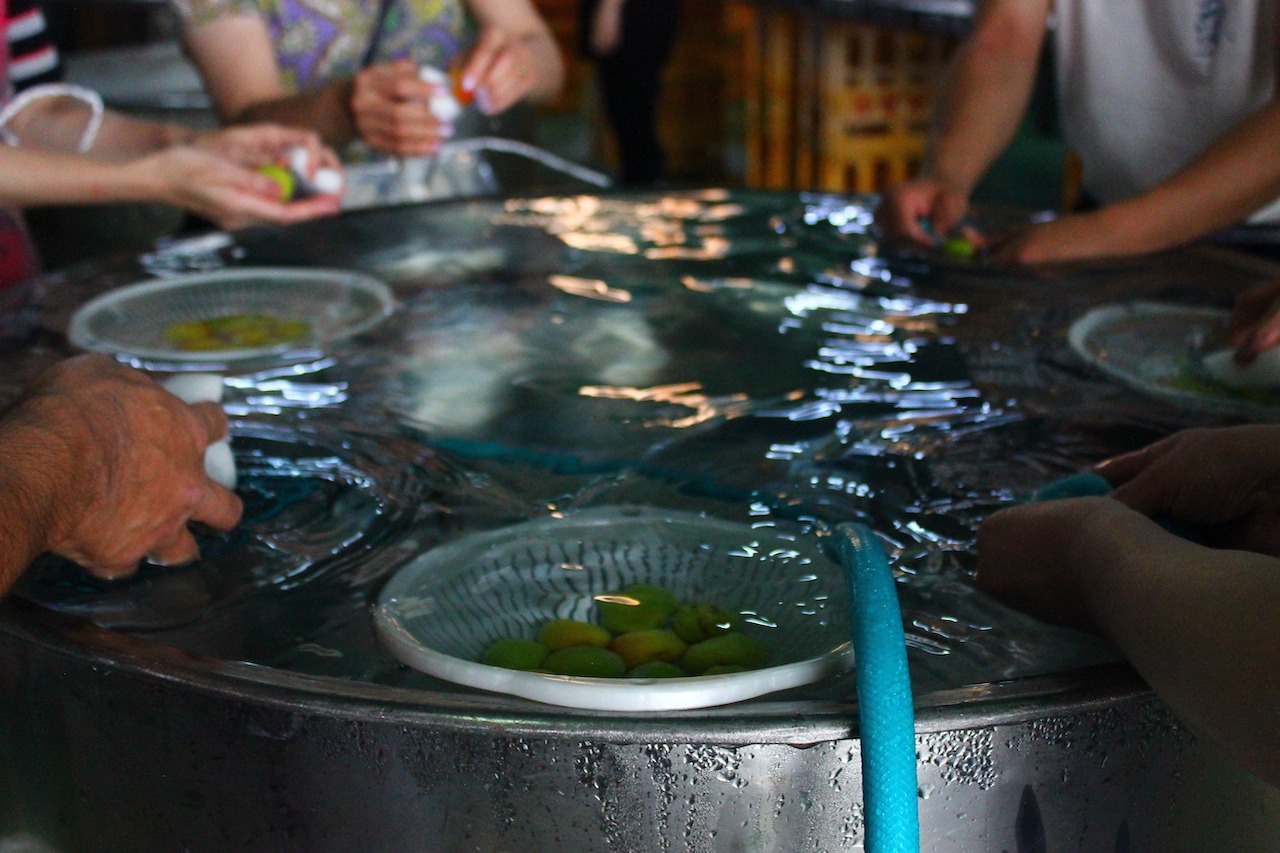
写真提供:大信州酒造株式会社
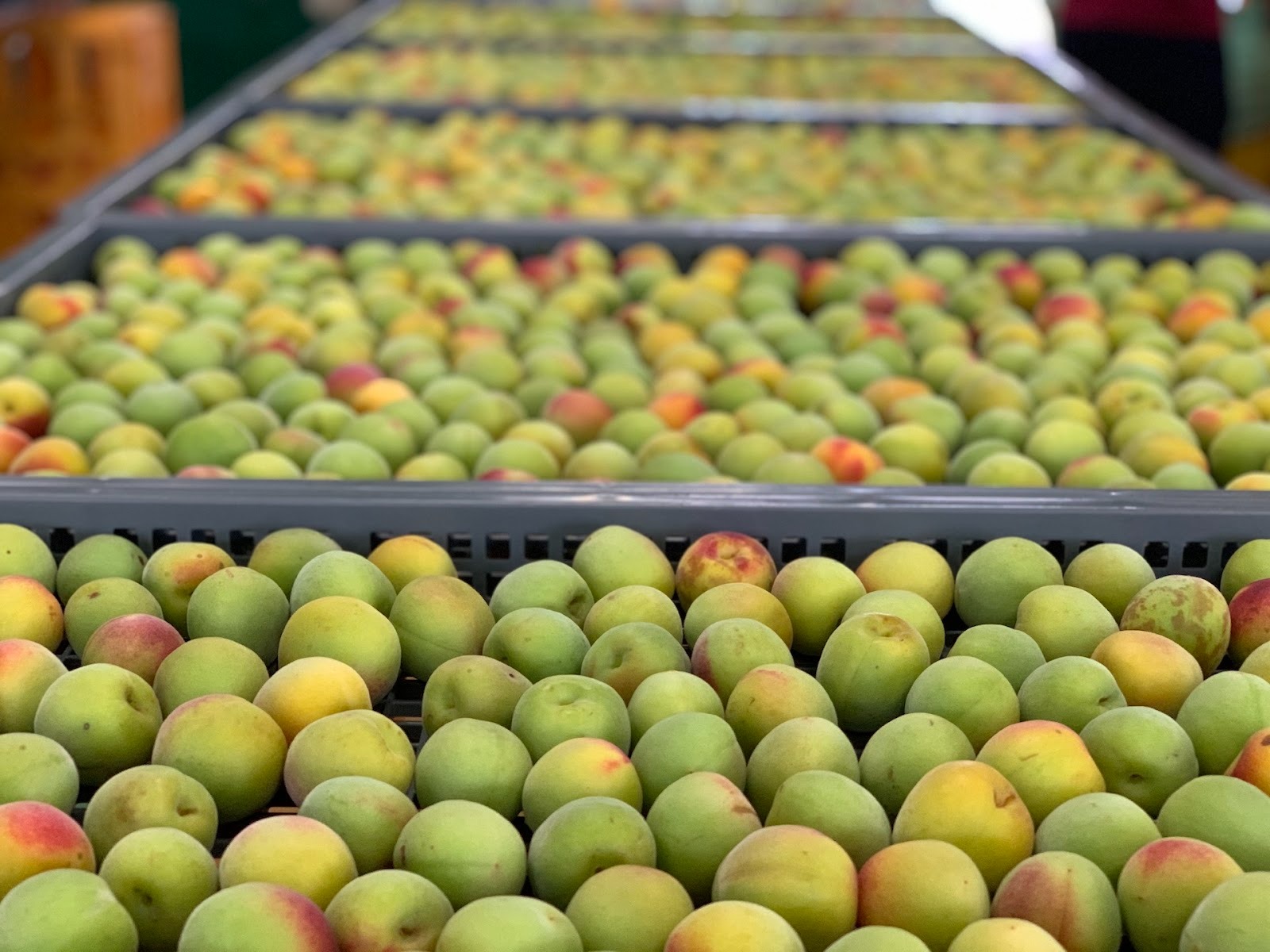
写真提供:大信州酒造株式会社
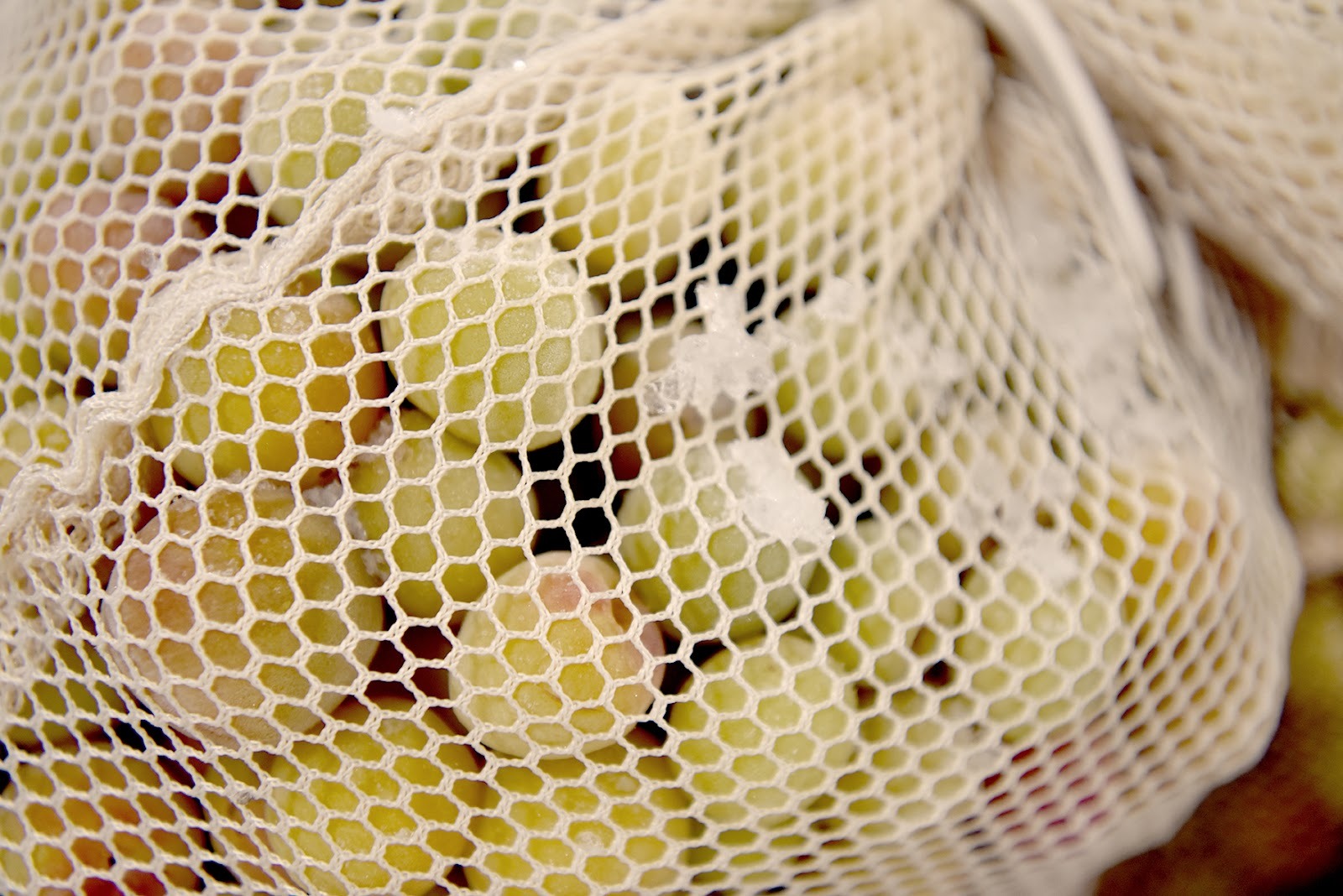
冷凍した梅
全て手作業。収穫から処理までを1日で
契約農家から届いてすぐに下処理を行います。傷をつけないよう全て人の手で慎重にヘタを取り、洗浄します。梅の実には野生酵母が付着しており、再醗酵や雑菌による腐造・汚染の原因となるため、丁寧に手作業で洗い流します。
さらに、その後の「乾燥」の工程も非常に重要です。洗った梅は一つ一つ布で拭き上げ、梅同士が重ならないように並べて乾燥させます。カビ対策はもちろん、余分な水分が残っているとアルコール度数を下げてしまう恐れがあるため、細心の注意を払います。
上記の工程を経て、手早くベストな状態まで下処理をした梅をすぐに冷凍庫へ。冷凍することで梅の品質を維持すると共に、梅の成分がお酒に浸潤しやすくなります。仕込むときにゆっくりと解凍されながら繊維が崩れることで、より高濃度に凝縮された梅エキスがお酒に取り込まれ、梅本来の芳醇な酸味が再現されるのです。大量の梅を冷凍する手間やコストも惜しみません。
このように、収穫から酒蔵での原材料処理・冷凍まで全てを1日で行います。しかもこれらの工程は全て手作業。このスピード感と手間が、最高の梅酒を生み出すために欠かせない秘密とこだわりなのです。
Everything is done by hand. From harvest to processing—all in a single day.
As soon as the plums arrive from our contracted farmers, we begin preliminary processing. To avoid damaging them, we carefully remove the stems by hand and wash the plums. Wild yeast adheres to the plums, which can cause secondary fermentation, spoilage, or contamination from foreign bacteria, so we meticulously wash it off by hand.
Furthermore, the subsequent “drying” process is also extremely important. The washed plums are wiped dry one by one with a cloth and arranged so they do not overlap while drying. We take the utmost care not only to prevent mold but also because any remaining excess moisture could lower the alcohol content.
After undergoing the above processes, the plums—quickly pre-processed to their optimal condition—are immediately placed in the freezer. Freezing preserves the quality of the plums and makes it easier for their components to infuse into the liquor. As the plums thaw slowly during the brewing process, their fibers break down, allowing a more highly concentrated plum extract to infuse into the liquor and recreate the plum’s natural, rich tartness. We spare no effort or expense when it comes to freezing large quantities of plums.
In this way, everything—from harvest to raw material processing and freezing at the brewery—is completed in a single day. Moreover, all of these steps are done by hand. This sense of speed and the meticulous effort involved are the indispensable secrets and commitments that go into producing the finest plum wine.
04
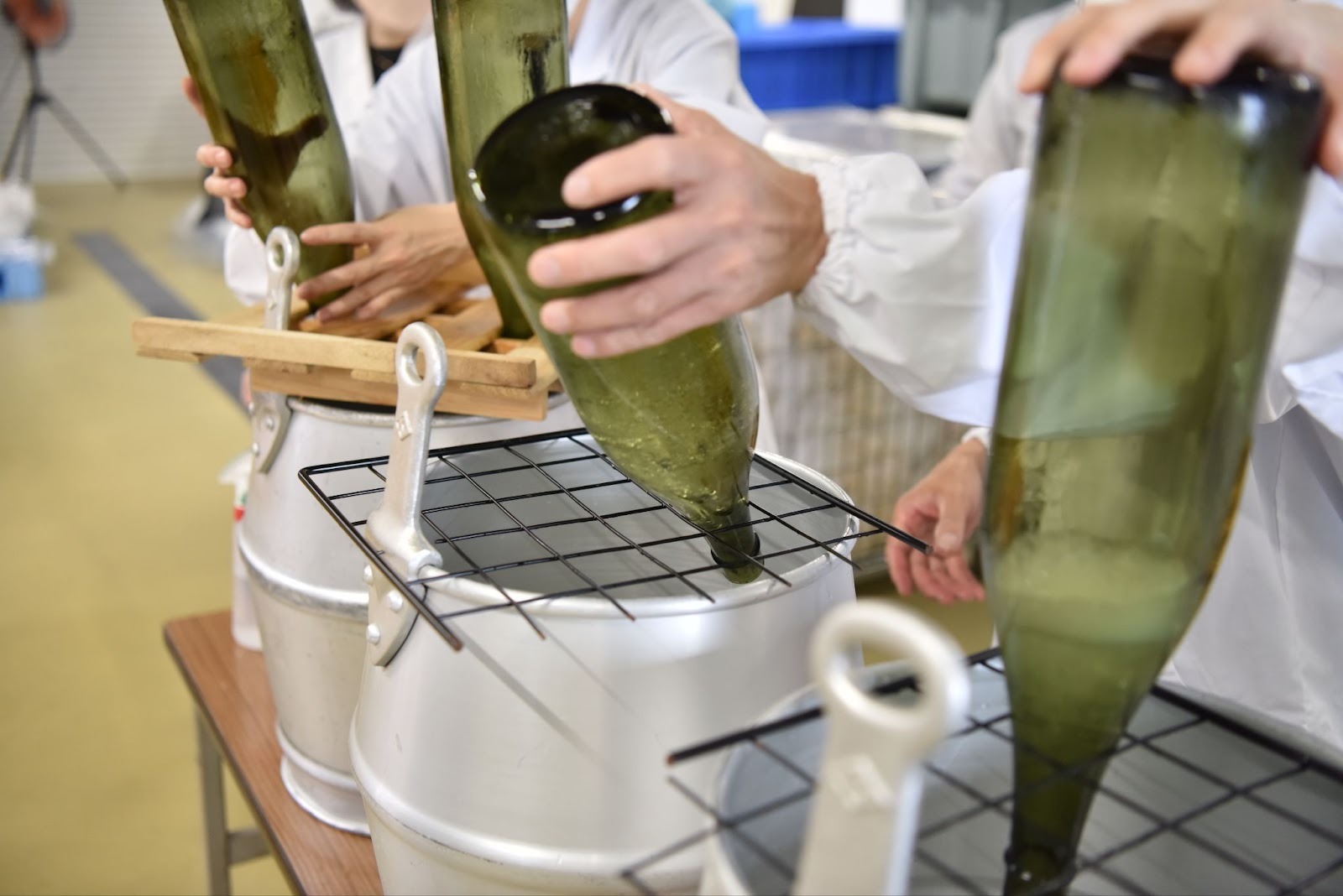
ボトルに詰められた原酒を手作業で取り出します
数か月熟成した無濾過原酒で仕込む
仕込みのはじめは、数百本にもなるボトルを1本ずつ丁寧に小さな桶に小分けに取り出し、順に大きなタンクへと投入していきます。
わざわざ瓶からお酒を取り出す理由は、フレッシュさや吟醸香を保ちながら、品質の安定化をはかるための”火入れ”の手法に起因します。
“火入れ”とは、日本酒の品質を安定させるための加熱処理の工程のこと。その手法はいくつかあり「想定内」「想定外」をはじめ、高品質の日本酒で採用されるのが”瓶火入れ”というもの。お酒をボトルに詰めて栓をし、お湯に浸すか、お湯をかけることで加熱します。日本酒として風味を損なわず、豊かな吟醸香を保ったまま、安定性をもたらすことができる、手間暇と技術が求められる手法です。
一般の日本酒仕込みの梅酒では、ほとんどがプレート式の熱交換器と呼ばれる機械などで大量の日本酒をタンクごと効率よく火入れします。しかし、大量生産ではない数量限定の最高級酒を追求する「想定内 梅酒」に使う原酒は、「想定内」「想定外」と同じ”瓶火入れ”を採用。ここでも機械を用いずに手作業による火入れを行うことで、機械ではできない繊細な温度管理を職人の手で行い、原酒の魅力と風味を最大限に活かします。
火入れ後も、風味・香味・品質を保つため瓶のままマイナス5度の冷蔵庫で貯蔵され梅酒の仕込みを待ちます。一度瓶詰めしたお酒を再度出すという、無駄とも言えるプロセスを辿ることになりますが、これらも全て日本酒の豊かな風味を梅酒の中に生かすための重要な作業なのです。
Brewed using unfiltered raw sake that has been aged for several months
At the start of the brewing process, hundreds of bottles are carefully emptied one by one into small barrels, and the contents are then transferred sequentially into a large tank.
The reason for going to the trouble of transferring the sake from the bottles stems from the “pasteurization” technique used to stabilize quality while preserving freshness and the ginjo aroma.
“Pasteurization” refers to the heating process used to stabilize the quality of sake. There are several methods, including “within-bottle” and “outside-the-bottle” pasteurization, but the method used for high-quality sake is “bottle pasteurization.” This involves bottling the sake, sealing it, and then heating it by immersing the bottles in hot water or pouring hot water over them. It is a labor-intensive and technically demanding method that ensures stability without compromising the flavor of the sake and while preserving its rich ginjo aroma.
In the production of standard sake-based plum liqueurs, large quantities of sake are typically pasteurized efficiently—entire tanks at a time—using machinery such as plate-type heat exchangers. However, the base sake used for “Expected Umeshu”—which pursues the highest-grade sake in limited quantities rather than mass production—employs the same “bottle pasteurization” method as “Expected” and “Unexpected” Here, too, pasteurization is performed by hand rather than by machine, allowing artisans to carry out the delicate temperature control that machines cannot achieve, thereby maximizing the appeal and flavor of the base sake.
Even after pasteurization, the sake is stored in its bottles in a refrigerator set to -5°C to preserve its flavor, aroma, and quality while awaiting the preparation of the umeshu. Although this involves a process—which could be considered wasteful—of removing the sake from its bottles after it has already been bottled, these steps are all essential to bringing out the rich flavor of the sake in the umeshu.
05
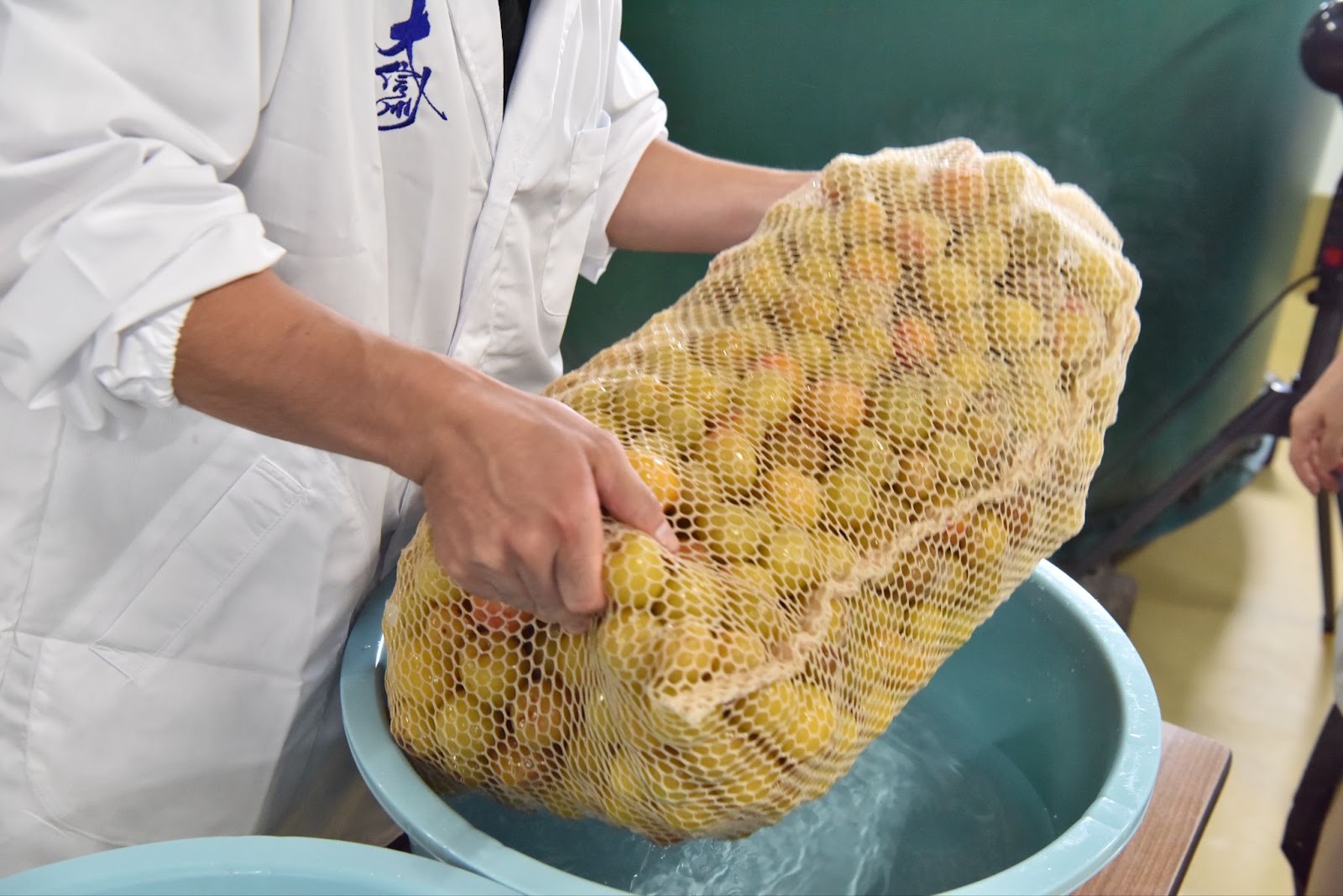
最後の消毒も「想定内」シリーズの風味を
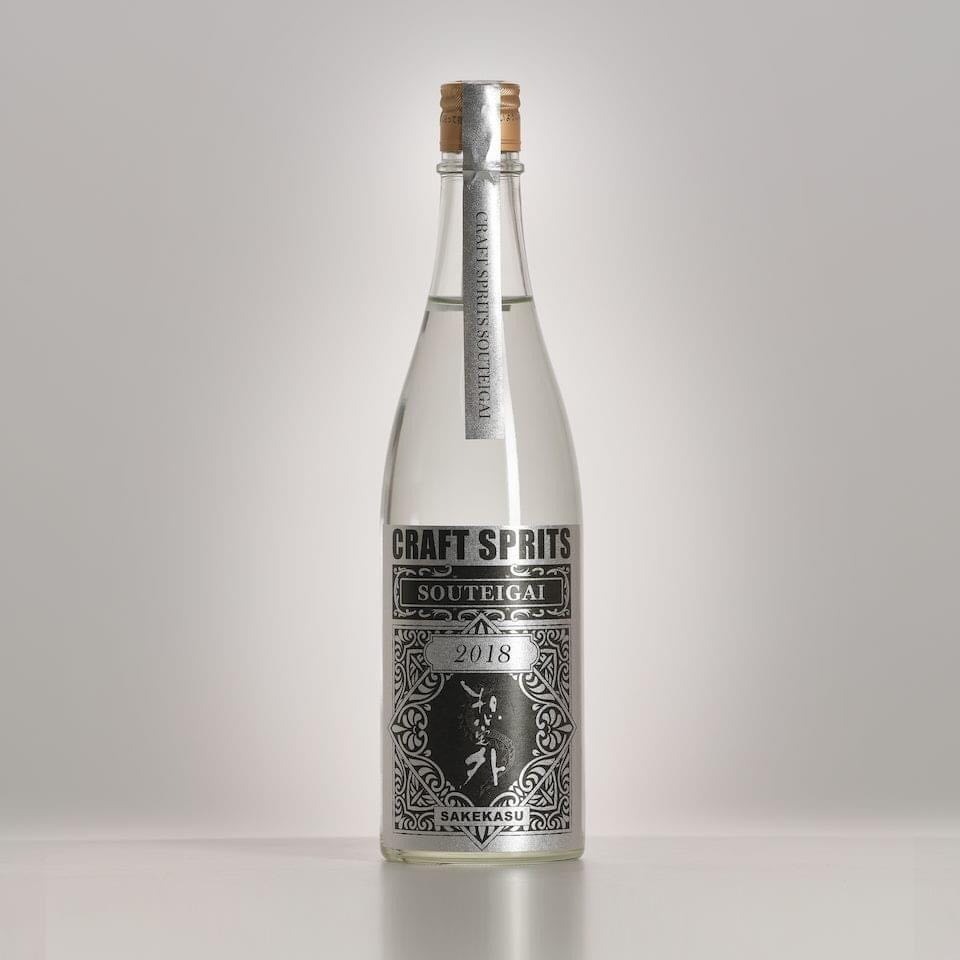
※粕取り焼酎「Craft Spirits Souteigai」は熟成を待ち本数限定で発売予定です(時期未定)
純粋な風味を生かすため「想定内」「想定外」の酒粕焼酎で仕上げ
冷凍した梅を消毒するのも重要な工程のひとつ。梅の実をタンクへ入れる直前に、40%の高アルコールの焼酎を使い、梅の表面全体を手作業でしっかりと洗い流します。腐造のリスクとなる雑菌や、冷凍時についた余分な氷の塊を落とすための仕上げの工程です。
ここで使用するのは、「想定内」「想定外」シリーズの酒粕を蒸留してできた粕取り焼酎。梅の実に移るわずかな風味に着目し、余分なものを入れず、より純度の高い原料を使用します。原材料には入らない隠れた部分ではありますが、ここでも妥協を許しません。
本来は消毒用ではなく、本数限定で発売する粕取り焼酎「Craft spirits Souteigai」であり、吟醸香が漂う香味豊かな蒸留酒。消毒においても徹底して純粋な想定内・想定外の風味を生かします。
To bring out the pure flavor, the process is finished using “Expected” and “Unexpected” sake lees soju.
Sanitizing the frozen plums is another crucial step. Immediately before placing the plums into the tank, we thoroughly wash the entire surface of each plum by hand using 40% high-alcohol soju. This final step removes harmful bacteria that could cause spoilage, as well as any excess ice that may have formed during freezing.
We use sake lees soju distilled from the “Expected” and “Unexpected” series. Focusing on the subtle flavors that transfer to the plums, we use ingredients of the highest purity without adding anything unnecessary. Although this is a hidden aspect not listed in the ingredients, we make no compromises here either.
Originally intended not for disinfection but as a limited-edition “Craft Spirits Sou-tei-gai” sake lees soju—a richly aromatic distilled spirit with scents of Ginjo aroma—we thoroughly preserve the pure flavors of the “Expected” and “Unexpected” series even in this disinfection process.
06
試行錯誤を重ねた氷砂糖の自然対流
最後に、タンク内に氷砂糖を投入。「想定内 梅酒」では、粒の大きなロックサイズの氷砂糖を使用。さまざまな大きさの氷砂糖で試行錯誤を重ね、ベストなサイズに辿り着きました。大粒の氷砂糖がゆっくりと時間をかけて溶け込むため、梅の水分やエキス分もじわじわと抽出され、梅の実もきれいな状態を保つことができます。
氷砂糖を最後に投入するのは、タンクの上部から甘みが溶けて、梅エキスと日本酒が自然な対流をおこすため。すべての材料がゆっくりと溶け込んでいき、無理に撹拌することがないため、お酒にストレスをかけずに融合していきます。最後の工程まで手をぬかず、最高級の梅酒を追求します。
Natural Convection of Rock Sugar Through Trial and Error
Finally, rock sugar is added to the tank. For “Expected Umeshu,” we use large, rock-sized sugar crystals. After much trial and error with various sizes of rock sugar, we arrived at the optimal size. Because the large rock sugar crystals dissolve slowly over time, the moisture and extracts from the plums are gradually drawn out, allowing the plums to retain their beautiful appearance.
We add the rock sugar last so that the sweetness dissolves from the top of the tank, creating natural convection with the plum extract and sake. As all the ingredients dissolve slowly and there is no need for forced stirring, they blend together without putting any stress on the liquor. We spare no effort right up to the final step in our pursuit of the highest-quality plum wine.
07
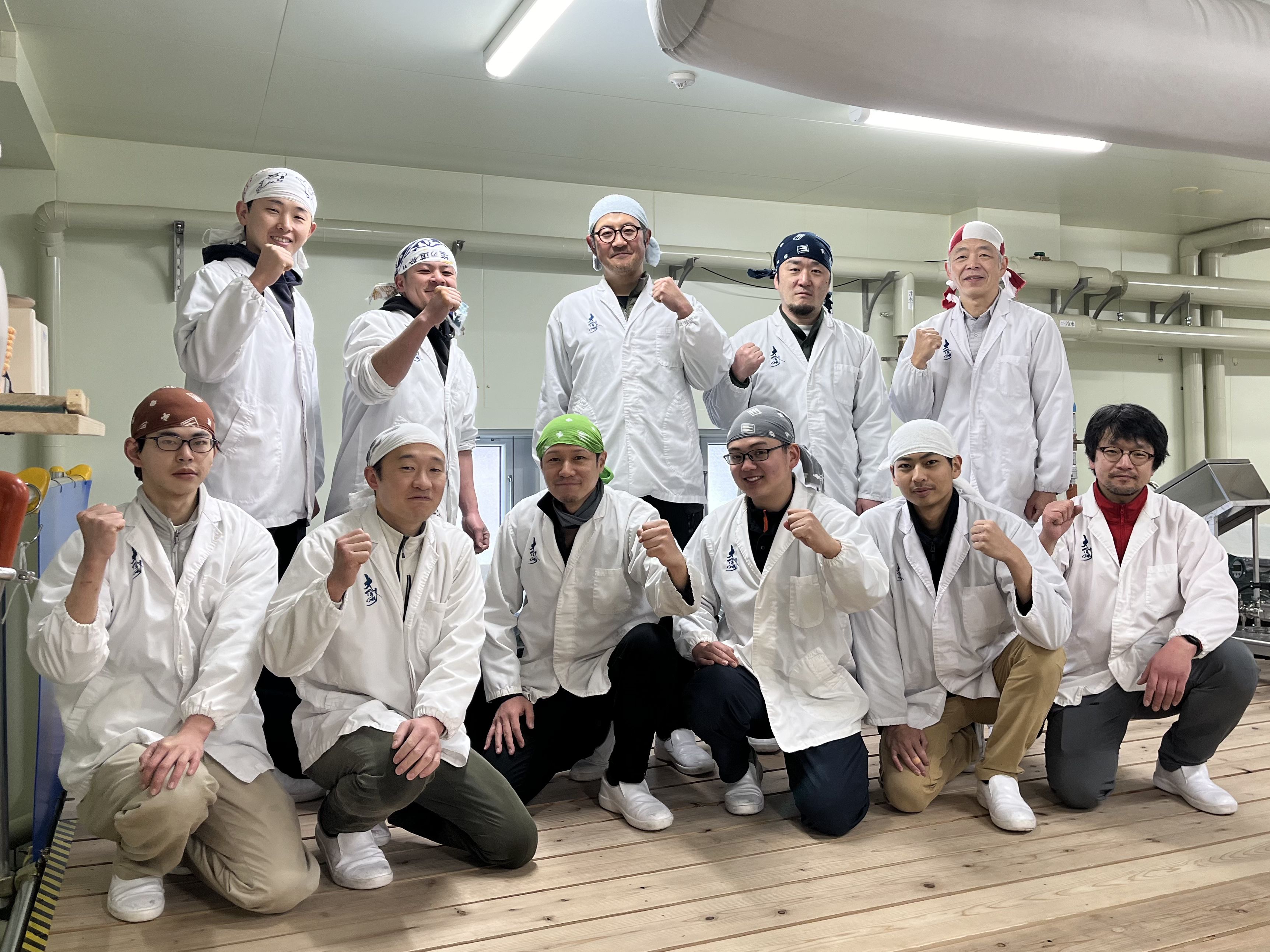
プロジェクトチーム
一つ一つの工程を手作業で
梅酒づくりのすべての工程は、大信州酒造の蔵人とプロジェクトチームのメンバーが協力して行います。10キロ単位の袋や原酒をかつぐこともある力仕事が中心です。
原材料処理から含めて、ここまで手をかけるのか、というこだわりと探求心、酒蔵のもつ高い技術力によって「想定内 梅酒」は仕込まれています。その上で、まるで「工芸品」のように一つ一つの工程に手をかけた丁寧な手しごとが、人の心に感動をよぶ ”梅酒”へと昇華させるのです。
Each Step Is Done by Hand
Every step of the umeshu-making process is carried out through the collaboration of Daishinshu Brewery’s brewers and project team members. The work is primarily physically demanding, often involving lifting 10-kilogram bags and unaged sake.
From raw material processing onward, “Expected Umeshu” is brewed with a dedication and spirit of inquiry that makes one wonder, “Do they really go to this much trouble?”—all made possible by the brewery’s advanced technical expertise. Furthermore, the meticulous craftsmanship applied to each step—as if creating a “work of art”—transforms it into an umeshu that truly moves the heart.
08
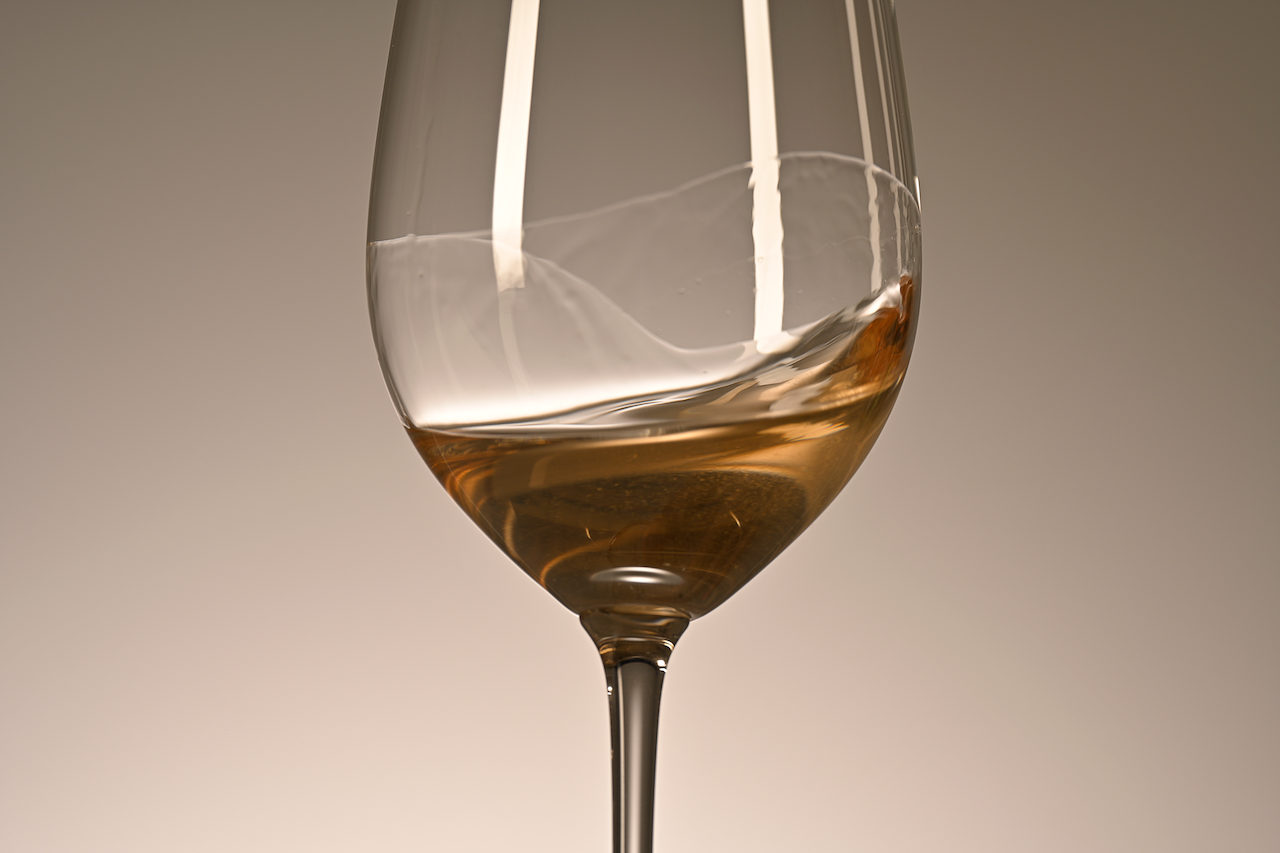
美しい輝きを持って生まれた「想定内 梅酒」
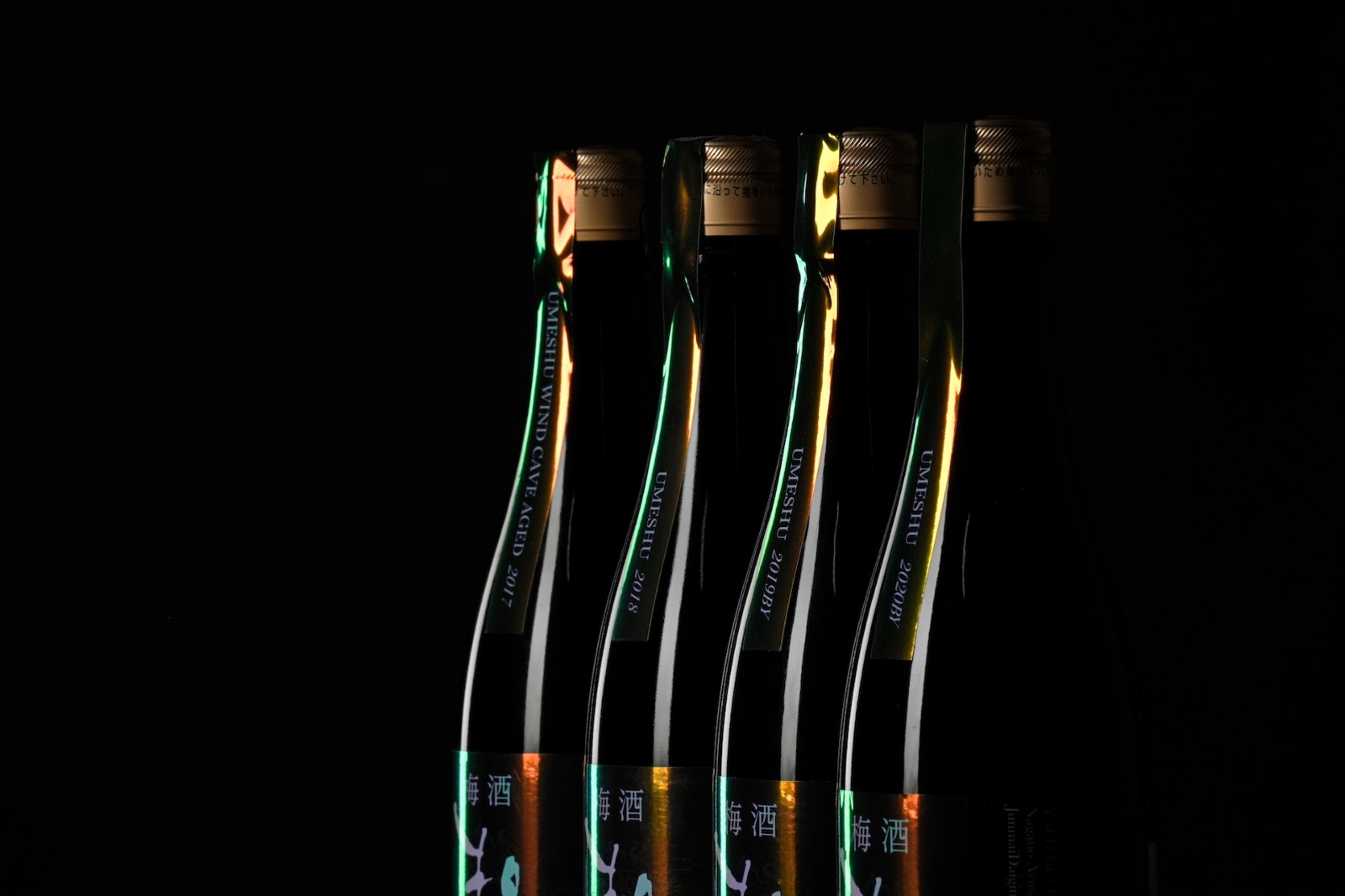
2017〜2020ヴィンテージ
貯蔵、熟成を経て円熟味が増してゆく
仕込みが終わった後、衛生管理された酒蔵のタンク内で、約半年ほどかけてゆっくりと梅のエキス分とお酒が融合し、再び瓶詰めされ、マイナス5度で冷蔵貯蔵され出荷の時を待ちます。
梅のエキスが染み込み、ほどよく熟成された梅酒はやや赤みを帯びたクリスタルゴールドの輝きに。さらに年を経て熟成させることで、日本酒と梅エキスが渾然一体となり丸みを帯び、さらに深みが増すことでしょう。
そのうちの一部は、天然の冷蔵庫「風穴」で貯蔵され、約3年以上たったものが「風穴熟成」として販売されます。岩肌から吹き込むやわらかな自然の冷風によって、格別な味わいへと変化するのも熟成の可能性が魅せる面白さ。
その年の造りのわずかな違いが、貯蔵する場所などの要素によって、年を経て個性が際立ちます。それぞれのヴィンテージで、味わいの違いを比べてみるのも楽しみのひとつです。
It gains depth of flavor through storage and aging.
After the brewing process is complete, the plum extract and sake slowly blend together over the course of about half a year in tanks within a hygienically controlled brewery. The mixture is then bottled again, stored at -5°C, and awaits shipment.
Infused with plum extract and aged to perfection, this plum wine takes on a crystal-gold hue with a slight reddish tint. As it continues to age over the years, the sake and plum extract will blend seamlessly, developing a rounded character and even greater depth.
A portion of the batch is stored in “Kazeana”—natural refrigerated caves—and bottles aged for three years or more are sold as “Kazeana-Aged” plum wine. The way the gentle, natural cool breeze blowing in from the rock face transforms the flavor into something truly exceptional is one of the fascinating aspects of aging.
Slight variations in that year’s production, combined with factors such as the storage location, cause each vintage’s unique character to stand out more distinctly over time. Comparing the differences in flavor between each vintage is one of the joys of enjoying this plum wine.
(各ヴィンテージのテイスティングコメント)
2020 甘みと酸味が抑え目で、歴代で最も軽やかな香味
2019 酸味と甘みのバランスが良い優等生
2018 甘みがやや強めで旨口なヴィンテージ
2017 手もぎした南高梅が持つ高級な酸味と数年経過した落ち着きを見せる(完売)
2017風穴熟成 風穴が作り出した別格の品と香り。自然がもたらした変化をお楽しみください
09
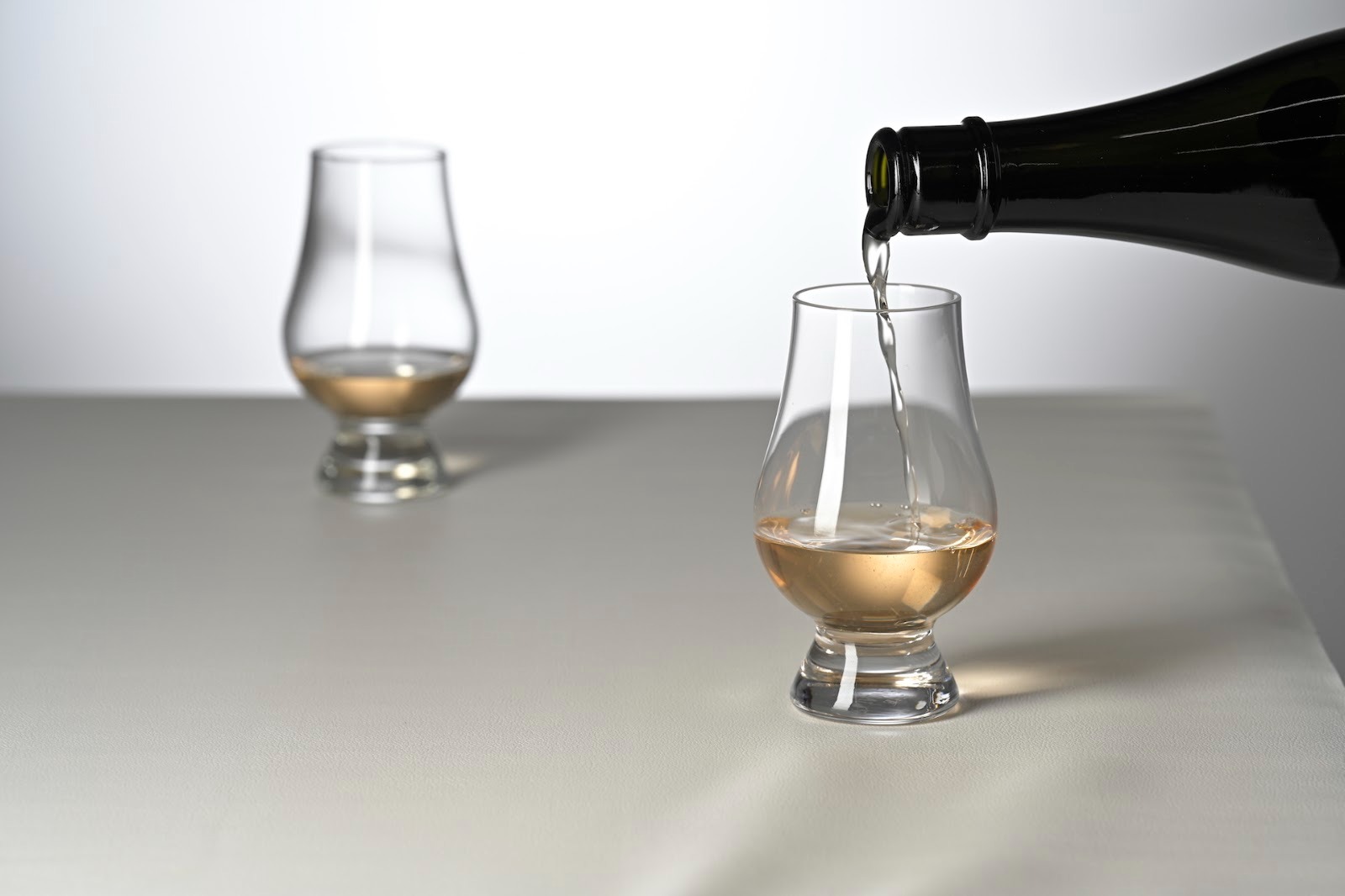
しっかりと冷やしてストレートで
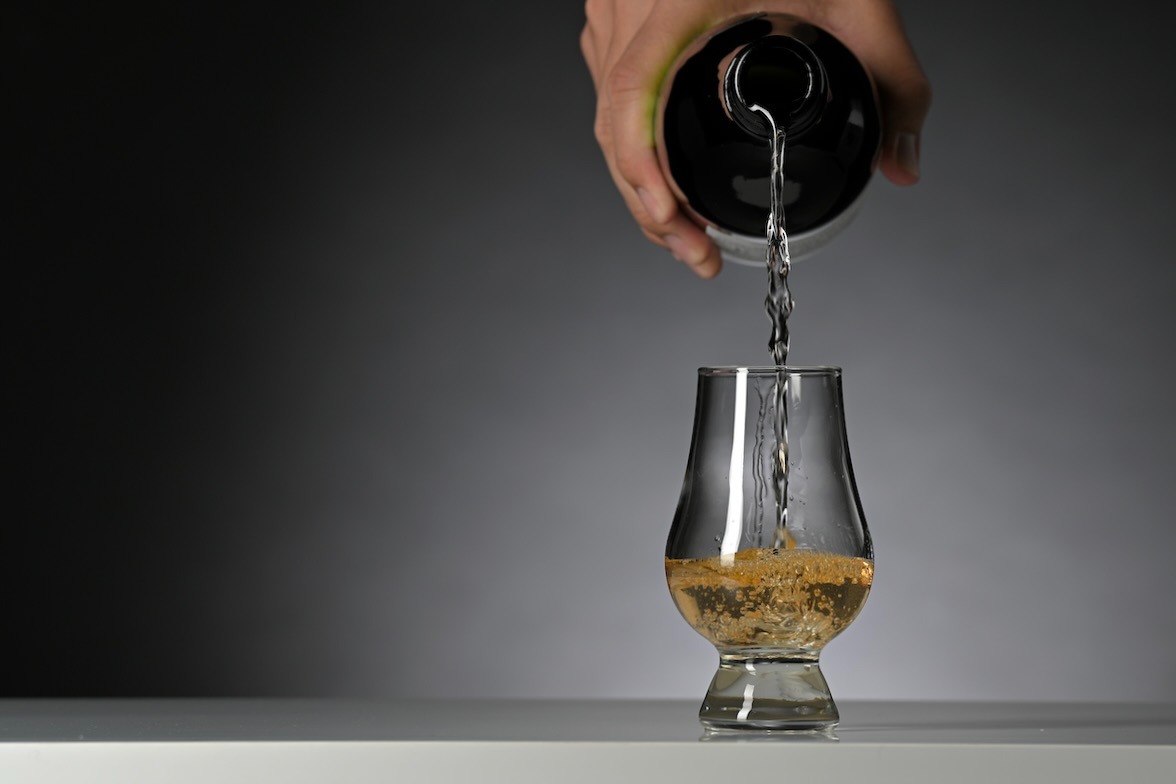
唯一無二の梅酒の奥深さを味わう
ほんのりと吟醸香を漂わせ、濃厚な甘やかさと上質な酸味がバランスよくまとまった「想定内 梅酒」。しっかりと冷やし、ワイングラスで芳醇な香りを楽しみながら、味わっていただくのがおすすめ。
とろりとした舌触り、品よく引き締める梅の芳香、熟成によって深み増した唯一無二の梅酒の奥深さをご堪能ください。
Experience the Depth of a One-of-a-Kind Umeshu
“Expected Umeshu” features a subtle hint of Ginjo aroma, with a well-balanced blend of rich sweetness and refined acidity. We recommend serving it well chilled in a wine glass so you can savor its rich aroma as you enjoy it.
Please savor the velvety texture, the elegant, crisp aroma of the plum, and the depth of this one-of-a-kind umeshu, which has gained even greater complexity through aging.